
Related News
-
26 September 2026
Karya Tanpa Batas, Keminveshil Bawa Pelaku Usaha Disabilitas ke Kriyanusa 2026
-
16 September 2026
ALI 2026: Apresiasi Kinerja Layanan Investasi, Dorong Kemudahan Berusaha
-
14 September 2026
Wamen Todotua Resmikan Peluncuran Bioethanol Development Center di Lampung
-
09 September 2026
Perkuat Daya Tarik Investasi, Pemerintah Integrasikan Sistem Layanan TKA
-
03 September 2026
Wamen Todotua Ungkap Tiga Strategi Jemput Investasi dan Perkuat Hilirisasi
-
03 September 2026
Presiden Prabowo Tegaskan Arah Investasi Indonesia: Hilirisasi untuk Kesejahteraan dan Investasi Teknologi Masa Depan
-
28 Agustus 2026
Keminveshil/BKPM dan Kemenpora Teken MoU Pengembangan Potensi Investasi Sektor Olahraga
-
28 Agustus 2026
Menteri Rosan: Jakarta Jadi Gerbang Investasi dan Pertumbuhan Ekonomi Masa Depan
-
15 Agustus 2026
Target Investasi 2027 Rp2.322 Triliun, Keminveshil/BKPM Fokus Percepat Perizinan dan Realisasi Proyek
-
15 Agustus 2026
Investasi Jadi Mesin Pertumbuhan Ekonomi, Target 2027 Capai Rp2.322 Triliun
-
14 Agustus 2026
81 Tahun Indonesia Merdeka, Investasi dan Hilirisasi Jadi Penggerak Ekonomi dan Kemandirian Nasional
-
10 Agustus 2026
Pentingnya Legalitas Usaha, Keminveshil/BKPM Dorong UMKM Perempuan Banyumas Naik Kelas
-
04 Agustus 2026
Indonesia dan Arab Saudi Sepakat Memperkuat Kerja Sama Promosi dan Fasilitasi Investasi
-
31 Juli 2026
Staf Khusus Menteri Investasi dan Hilirisasi/BKPM: Investasi Inklusif Dimulai dari Mengubah Cara Pandang terhadap Penyandang Disabilitas
-
24 Juli 2026
Wamen Todotua: Pengusulan KEK Samota Diharapkan Jadi Magnet Investasi Baru di Indonesia Timur
-
23 Juli 2026
Menteri Rosan: Ekosistem Baterai RI Makin Lengkap, Autoclave HPAL Terpasang
-
17 Juli 2026
Realisasi Investasi Semester I 2026 Tembus Rp 1.010 T, Serap 1,4 Juta Tenaga Kerja Langsung
-
10 Juli 2026
Perusahaan Jepang Investasikan USD30 Juta di Industri Plasma dan Kesehatan di Indonesia
-
30 Juni 2026
Wamen Todotua: Indonesia dan Australia Berada pada Momentum Tepat Perkuat Kemitraan Investasi
-
30 Juni 2026
Bidik Investor Australia, Wamen Investasi Tawarkan Kerjasama Pangan dan Infrastruktur
-
29 Juni 2026
Investor Australia Minati Peluang Rantai Pasok Baterai RI
-
27 Juni 2026
Menteri Rosan: Kolaborasi Riset dan Industri Jadi Kunci Hilirisasi Bernilai Tambah
-
26 Juni 2026
Keminveshil/BKPM: Kepercayaan Investor Global Tetap Terjaga
-
09 Juni 2026
Dorong Hilirisasi Perkebunan, Wamen Investasi Percepat Pabrik Bioetanol 60 Ribu Kilo Liter di Lampung
-
13 Mei 2026
Tanjung Carat Diproyeksikan Jadi Simpul Baru Konektivitas Logistik di Sumatera Selatan
-
29 April 2026
Kementerian Investasi dan Hilirisasi Dukung Percepatan 13 Proyek Hilirisasi Strategis Tahap II
-
23 April 2026
Investasi Awal Tahun Tumbuh 7,2%, Pemerintah Implementasikan KBLI yang Lebih Adaptif
-
20 April 2026
Proyek Bioetanol Lampung Memasuki Tahap Baru
-
10 April 2026
Rp11,42 Triliun Diamankan, Kementerian Investasi dan Hilirisasi/BKPM Dorong Aset Segera Produktif
-
09 April 2026
Pelabuhan Tanjung Carat Resmi Digenjot, Wamen Todotua: Kunci Dongkrak Hilirisasi dan Efisiensi Logistik
-
31 Maret 2026
Investasi Jepang Tumbuh 13,2%, Kunjungan ke Jepang Perkuat Komitmen Proyek Strategis
-
30 Maret 2026
Pemerintah Terbitkan Surat Edaran Bersama Implementasi KBLI 2025
-
27 Maret 2026
Pelantikan Tiga Pejabat Pimpinan Tinggi Madya, Perkuat Transformasi Kelembagaan dan Akselerasi Investasi Nasional
-
26 Februari 2026
Pemerintah Sesuaikan Sistem OSS dengan PP 28 Tahun 2025, Perkuat Kepastian dan Kemudahan Berusaha
-
24 Februari 2026
Pangkas Prosedur KKPR Darat, Usaha Mikro Lebih Cepat Kantongi Legalitas
-
23 Januari 2026
Ini Capaian RI dari WEF Davos 2026
-
22 Januari 2026
Menteri KKP: Ekonomi Biru Agenda Investasi Juga
-
22 Januari 2026
Di Davos, Transformasi Kesehatan RI Menjadi Contoh
-
22 Januari 2026
Perkuat Ketahanan Pangan, RI Dorong Kolaborasi di WEF Davos 2026
-
22 Januari 2026
Agenda Indonesia Hari Keempat di WEF 2026: Special Address Presiden dan Diskusi Strategis di Indonesia Pavilion
-
22 Januari 2026
Presiden Prabowo Soroti Peluang Investasi, Potensi, dan Stabilitas Ekonomi Indonesia di WEF 2026
-
22 Januari 2026
Perkuat Pengawasan Investasi melalui Pembentukan Desk Investasi"
-
21 Januari 2026
Dari Meja Pertemuan Hingga Indonesia Night, Strategi Diplomasi di WEF 2026
-
21 Januari 2026
CEO Perusahaan Energi RI Beberkan Strategi Penuhi Komitmen Iklim Nasional
-
21 Januari 2026
Diplomasi Investasi di Panggung Indonesia Night
-
21 Januari 2026
Menteri Investasi: AI Pendorong Ekonomi RI Tumbuh
-
21 Januari 2026
Resmi Dibuka, Investor Respons Positif Indonesia Pavillion Davos 2026
-
21 Januari 2026
Dari Davos, Indonesia Bidik Peluang Investasi Digital Global
-
20 Januari 2026
Indonesia Perkuat Posisi sebagai Tujuan Investasi Berkelanjutan di World Economic Forum
-
20 Januari 2026
Di WEF Davos, RI Paparkan Strategi 2030 Hadapi Era AI
-
20 Januari 2026
Indonesia Pavilion Mulai Gelar Rangkaian Diskusi Strategis di World Economic Forum Davos 2026
-
17 Januari 2026
Indonesia Endless Horizons: Konsistensi Diplomasi Indonesia di WEF 2026
-
15 Januari 2026
Realisasi Investasi 2025 Lampaui Target, Hilirisasi Melompat 43,3 Persen
-
09 Januari 2026
Indonesia Hadir di WEF Davos 2026, Pertegas Daya Saing Global
-
18 Desember 2025
Probis Hilirisasi Kejar Target Investasi Rp3.464,5 T
-
16 Desember 2025
Hilirisasi Untuk Semua, Kementerian Investasi dan Hilirisasi/BKPM Teguhkan Semangat No One Left Behind
-
03 Desember 2025
Panggung Inklusif, Peringatan Hari Disabilitas Internasional di Kementerian Investasi dan Hilirisasi/BKPM
-
20 November 2025
Kementerian Investasi dan Hilirisasi/BKPM Akselerasi Kemitraan Usaha Besar dan UMKM sebagai Penguatan Ekosistem Hilirisasi
-
06 November 2025
Gandeng 175 UMKM, Kementerian Investasi dan Hilirisasi/BKPM Gelar Peningkatan Kompetensi Pelaku Usaha Daerah
-
06 November 2025
Menteri Investasi dan Hilirisasi Dampingi Presiden Prabowo, Resmikan Investasi Korea Rp62 Triliun di Cilegon
-
05 November 2025
Menteri Investasi dan Hilirisasi/Kepala BKPM Lantik Pejabat Tinggi Madya
-
03 November 2025
Wamen Investasi Tekankan Percepatan Realisasi Investasi Melalui Kebijakan KLIK untuk Pacu Pertumbuhan Ekonomi 8%
-
29 Oktober 2025
Konektivitas Diperkuat, Hilirisasi Dipacu — Wamen Investasi Saksikan Penandatanganan MoU Pelabuhan Tanjung Carat Sumsel
-
29 Oktober 2025
Kementerian Investasi dan Hilirisasi/BKPM Satukan Langkah dengan Pemda NTT, Dorong Disabilitas Jadi Penggerak Wirausaha dan Hilirisasi
-
17 Oktober 2025
Realisasi Investasi Triwulan III 2025 Tembus Rp491,4 Triliun: Hilirisasi dan PMDN Jadi Penggerak Utama
-
15 Oktober 2025
Delegasi AACC Tinjau KEK BSD City: Dorong Investasi AS di Sektor Teknologi dan Ekonomi Digital Berkelanjutan
-
12 Oktober 2025
AACC Delegation Visits Sanur SEZ to Encourage Investment in Sustainable Health and Tourism Sectors
-
12 Oktober 2025
Delegasi AACC Tinjau KEK Sanur untuk Mendorong Investasi di Sektor Kesehatan dan Pariwisata Berkelanjutan
-
12 Oktober 2025
ISF 2025 Resmi Ditutup, Buka Langkah Nyata Investasi dan Ekonomi Hijau
-
11 Oktober 2025
Komitmen Investasi Hijau Tembus Lebih Dari Rp200 Triliun Selama Gelaran ISF 2025
-
11 Oktober 2025
Kadin Indonesia Dorong Kolaborasi Publik–Swasta untuk Transformasi Keterampilan dan Lapangan Kerja
-
11 Oktober 2025
Hilirisasi Mineral Kritis, Kunci Transformasi Ekonomi Hijau Indonesia
-
11 Oktober 2025
ISF 2025 Dari Forum Global Menuju Aksi Kolektif
-
11 Oktober 2025
Bambu: Simbol Keberlanjutan dan Ketangguhan dalam Desain Indonesia International Sustainability Forum 2025
-
10 Oktober 2025
ISF 2025 Resmi Dibuka: Dorong Investasi untuk Masa Depan Berkelanjutan
-
02 Oktober 2025
Komitmen Pembangunan Mineral Hijau melalui Indonesia Green Mineral Investment Forum (IGMIF) 2025
-
01 Oktober 2025
Indonesia dan Swiss Perkuat Kerja Sama Bilateral di Bidang Investasi dan Hilirisasi
-
25 September 2025
Fokus Hilirisasi Tilapia, BKPM Kawal Investasi USD100 Juta
-
25 September 2025
Indonesia Tegaskan Kepemimpinan Global Transisi Energi Melalui Sektor Mineral Kritis
-
09 September 2025
Indonesia TTI Forum 2025 Hadirkan Potensi Investasi, Perdagangan dan Pariwisata Indonesia di Washington D.C.
-
09 September 2025
RI Bangun Green Hydrogen Berbasis Panas Bumi Pertama di Dunia
-
25 Agustus 2025
Wakil Menteri Todotua Dorong Mahasiswa Mempersiapkan Diri Menuju Indonesia Emas 2045
-
21 Agustus 2025
Wakil Menteri Todotua Dukung Inovasi Industri Keuangan Digital di Indonesia
-
21 Agustus 2025
Gelar UMKM Go Global, Kemitraan dengan Investor Rp 58,7 M Diumumkan
-
13 Agustus 2025
Indonesia Gelar ISF 2025: Gerbang Utama Investasi Hijau di Global South
-
07 Agustus 2025
Kementerian Investasi dan Hilirisasi/BKPM Tandatangani MoU Sinergi Hilirisasi, Pendidikan Tinggi, dan Industri: Momentum Kunci dalam KSTI 2025
-
04 Agustus 2025
Menteri Rosan Minta 109 CPNS Berikan Hasil Nyata untuk Masyarakat
-
02 Agustus 2025
Dorong Pelayanan Inklusif, Kementerian Investasi dan Hilirisasi Latih Pegawai Soal Perspektif dan Layanan Ramah Disabilitas
-
30 Juli 2025
Babak Baru Fasilitasi Investasi AS, Menteri Rosan Teken MoU dengan USABC dan AmCham
-
29 Juli 2025
Ditopang Hilirisasi, Investasi di Indonesia Semester I 2025 Tembus Rp942,9 Triliun
-
09 Juli 2025
RI Siap Fasilitasi Investasi Data Center AI Pertama di Asia Senilai Rp6 T
-
03 Juli 2025
Wakil Menteri Investasi ingin OSS Diperkuat, Fiktif Positif Jadi Senjata Baru Kepastian Layanan Perizinan
-
25 Juni 2025
Wamen Todotua: Investasi Dukung Akselerasi Perekonomian Daerah
-
24 Juni 2025
Kejar Target Investasi Tahun Ini, Kementerian Investasi dan Hilirisasi/BKPM Bentuk Desk Investasi di Batam
-
13 Juni 2025
Perkuat Kolaborasi Datangkan Investasi Uni Eropa ke Indonesia, Kementerian Investasi dan Hilirisasi Bentuk EU Desk
-
03 Juni 2025
Wamen Investasi: Pariwisata Kontributor Utama Realisasi Investasi
-
22 Mei 2025
Kementerian Investasi dan Hilirisasi Perkuat Tata Kelola Investasi Lewat Penyusunan Handbook Kewajiban Perjanjian Internasional
-
14 Mei 2025
Kementerian Investasi dan Hilirisasi Minta Semua Pihak Jaga Iklim Investasi
-
09 Mei 2025
Kunjungi Tiongkok, Wamen Investasi Dorong Hilirisasi Perikanan dan Industri Kemaritiman
-
30 April 2025
Menteri Rosan Resmikan Pabrikan Korsel, Siap Ekspor ke Berbagai Negara
-
29 April 2025
Wamen Investasi Hadiri Peluncuran Produk Teknologi TKDN Tinggi
-
29 April 2025
Di Tengah Gejolak Ekonomi Global, Investasi RI Q1-2025 Tumbuh 15,9%
-
28 April 2025
Wamen Investasi dan Hilirisasi Ajak Pengusaha Korea Selatan Ciptakan Investasi Bernilai Tambah di Indonesia
-
17 April 2025
Kejar Target Rp162 T, Wamen Investasi Tinjau Perusahaan Hilirisasi di KEK Palu
-
20 Maret 2025
Wamen Investasi dan Hilirisasi Tawarkan Investasi di Sektor Hilirisasi kepada 40 Investor Australia
-
18 Maret 2025
Kementerian Investasi dan Tools for Humanity Sepakat Dorong Investasi di Sektor Digital Indonesia
-
13 Maret 2025
Wamen Investasi dan Hilirisasi: Libatkan UMKM dan Koperasi dalam Tarik Investasi Daerah
-
13 Maret 2025
500 Pelaku UMKM Ikuti Sosialisasi Fitur Kemitraan OSS
-
06 Maret 2025
Menteri Investasi dan Menaker Perkuat Sinergi Demi Serap 2,9 Juta Naker
-
18 Februari 2025
35 Perusahaan Prancis Minati 3 Sektor Ini
-
10 Februari 2025
Menteri Rosan: Tahun Depan Skor B-Ready Harus Meningkat
-
07 Februari 2025
Delegasi EU-ABC Jajaki Investasi Hulu-Hilir di RI
-
31 Januari 2025
Serap 2,4 Juta Tenaga Kerja, Kinerja Investasi Capai Rp 1.714 T
-
24 Januari 2025
Perkuat Hilirisasi Mineral, Wakil Menteri Investasi dan Hilirisasi/ Wakil Kepala BKPM Groundbreaking Pengolahan Timah Rp1,2 T di Batam
-
23 Januari 2025
Di Davos, Menteri Rosan Paparkan Jurus RI Capai Ekonomi 8%
-
23 Januari 2025
Pesona Indonesia Night di Tengah Kesibukan World Economic Forum 2025 di Davos
-
22 Januari 2025
Menteri Rosan: RI Akan Miliki Klaster Industri dengan Energi Bersih Hingga 6,6 GW
-
21 Januari 2025
Resmikan Paviliun Indonesia di Davos, Menteri Rosan Tekankan Kolaborasi Global
-
20 Januari 2025
Kementerian Investasi dan Hilirisasi Kembali Hadirkan Paviliun Indonesia dalam WEF 2025
-
13 Januari 2025
Wamen Investasi dan Hilirisasi Todotua Pasaribu Sebut Program Makan Bergizi Gratis Perkuat Ekonomi UMKM Lokal
-
08 Januari 2025
Kejar Target Investasi Rp1.650 T, Wakil Menteri Investasi dan Hilirisasi Imbau Perusahaan untuk Segera Lapor LKPM
-
31 Desember 2024
Kementerian Investasi dan Hilirisasi Ajak Investor Segera Sampaikan Laporan Kegiatan Penanaman Modal
-
23 Desember 2024
Kementerian Investasi dan Hilirisasi Gelar Expose Kajian Hilirisasi Investasi Strategis Tahun 2024
-
20 Desember 2024
Temui Sejumlah Perusahaan Tiongkok, Menteri Rosan Bawa Oleh-Oleh Komitmen Investasi USD7,46 Miliar
-
18 Desember 2024
Kementerian Investasi dan Hilirisasi Raih Predikat Informatif pada Anugerah Keterbukaan Informasi Publik
-
17 Desember 2024
Percepat Investasi Ekosistem Mobil Listrik, Menteri Rosan Temui Sejumlah Perusahaan Raksasa Tiongkok
-
13 Desember 2024
Menteri Rosan Resmikan Fasilitas Produksi SKT Sampoerna: Dorong Hilirisasi dan Serap 3.500 Tenaga Kerja
-
12 Desember 2024
Kesepakatan Kemitraan UMKM dan Usaha Besar di Era Kabinet Merah Putih Tembus Rp3,9 Triliun
-
11 Desember 2024
Menteri Investasi dan Hilirisasi/Kepala BKPM Raih Penghargaan CNBC Indonesia Awards 2024
-
11 Desember 2024
Menteri Investasi Rapatkan Barisan dengan DPMPTSP Bidik Investasi Rp13.528 Triliun
-
10 Desember 2024
Akselerasi Hilirisasi dan Investasi Menjadi Fokus Utama dalam Rapat Konsolidasi Kebijakan Investasi Pusat dan Daerah Kementerian Investasi dan Hilirisasi/BKPM
-
09 Desember 2024
Menteri Rosan Tegaskan Indonesia Siap Perkuat Kemitraan dengan Pebisnis Eropa untuk Masa Depan Berkelanjutan
-
06 Desember 2024
Menteri Rosan Dorong Peluang Investasi Hijau dan Hilirisasi di Forum Investasi Singapura
-
26 November 2024
Optimisme Investasi Dorong Pertumbuhan Ekonomi dalam 12th US-Indonesia Investment Summit
-
23 November 2024
Indonesia dan PEA Sepakat Perkuat Kerja Sama Strategis di Bidang Investasi dan Hilirisasi
-
22 November 2024
Sehari Setelah Bertemu Dengan Presiden Prabowo, Menteri Rosan Tancap Gas Tindak Lanjuti Komitmen Investasi Strategis Sejumlah Perusahaan di London
-
22 November 2024
Di Hadapan 150 Pimpinan Perusahaan dan Pelaku Usaha Asal Inggris, Menteri Rosan Memaparkan Peluang Investasi Sektor Prioritas di Indonesia
-
22 November 2024
Menteri Investasi Gerak Cepat Untuk Merealisasikan Komitmen Investasi Senilai USD8,5 Miliar dari Perusahaan Inggris
-
21 November 2024
Kementerian Investasi dan Hilirisasi Siapkan Strategi Jitu Capai Target Pertumbuhan Ekonomi 8%
-
14 November 2024
Kementerian Investasi dan Hilirisasi Perkuat Kolaborasi dengan Bank Indonesia, Dorong Pertumbuhan Ekonomi
-
12 November 2024
Menteri Investasi dan Hilirisasi/Kepala BKPM Sampaikan Komitmen Indonesia untuk Investasi Berkelanjutan dalam Pertemuan USINDO
-
12 November 2024
Komitmen Investasi Senilai USD10,07 Miliar Dihasilkan Dalam Kunjungan Kenegaraan Prabowo ke RRT, Rosan Optimis Investasi Tiongkok Terus Meningkat
-
08 November 2024
Dorong Hilirisasi, Wakil Menteri Investasi dan Hilirisasi Kunjungi Sumatera Selatan Bahas Strategi Peningkatan Nilai Tambah Ekonomi
-
18 Oktober 2024
Kementerian Investasi/BKPM Raih Penghargaan Detikcom Awards 2024 untuk Kategori Lembaga Pendorong Hilirisasi dan Ekonomi Berkelanjutan
-
15 Oktober 2024
Rosan : Realisasi Investasi Terus Bertumbuh, Indonesia Konsisten Jalankan Hilirisasi
-
12 Oktober 2024
Menteri Investasi Ungkap Kunci Capai Pertumbuhan Ekonomi 8 Persen
-
04 Oktober 2024
Resmi Beroperasi di Batang, PT Wavin Manufacturing Indonesia Buktikan Indonesia Destinasi Investasi Para Investor Global
-
04 Oktober 2024
Rosan Apresiasi KCC Glass Kucurkan Rp4 T dan Siap Ekspor ke Eropa
-
01 Oktober 2024
Industri Manufaktur Panel Surya AS Pertama Lakukan Groundbreaking di KIT Batang Senilai Rp8 T
-
30 September 2024
Menteri Rosan Beri Penghargaan Anugerah Layanan Investasi 2024 kepada Kementerian/Lembaga dan Pemerintah Daerah Terbaik
-
20 September 2024
Kementerian Investasi/BKPM Dorong Investasi Berkelanjutan Sektor Pariwisata Dalam Ajang Regional Investment Forum
-
19 September 2024
Menteri Investasi: Kolaborasi Kunci Hadapi Ancaman Global
-
12 September 2024
Wujudkan Konstruksi Fase Keempat Tahun 2025, PT Nippon Shokubai Indonesia Kucurkan Rp1,69 T
-
12 September 2024
Industri Petrokimia Bernilai Rp59 Triliun di Cilegon akan Produksi Komersial pada Maret 2025
-
03 September 2024
RI-Afrika Perkokoh Kemitraan Strategis pada Tiga Bidang
-
02 September 2024
Rosan: Investasi RI-Afrika Terus Menguat
-
31 Agustus 2024
Penandatanganan Memorandum of Understanding (MoU) antara OMNI Neo Tech Inc., dengan PT Narofel Unggul Energy
-
28 Agustus 2024
Kejar Pertumbuhan Tinggi, Rosan Optimis Kontribusi Investasi Lebih Besar
-
27 Agustus 2024
Akan Bertemu PM Singapura, Rosan Harapkan Investasi Singapura di Indonesia Meningkat di Atas USD63,17 Miliar
-
26 Agustus 2024
Kembangkan UMKM dan Ekonomi Lokal, PT Tjiwi Kimia-PT Mahkota Lautan Teken SKKU Rp517 M
-
19 Agustus 2024
Resmi Menjabat Sebagai Menteri Investasi, Rosan Tekankan Team Work Untuk Mencapai Target Investasi
-
18 Agustus 2024
Genap Tiga Tahun, OSS Berbasis Risiko Terbitkan 10 Juta NIB
-
02 Agustus 2024
16 Kali Berturut-turut Peroleh Opini WTP, Kementerian Investasi Terus Lakukan Pengelolaan Keuangan Sesuai Aturan
-
29 Juli 2024
Umumkan Capaian Realisasi Semester I 2024, Bahlil Sebut Sektor UMKM Serap 4,6 Juta Tenaga Kerja
-
26 Juli 2024
Rayakan Puncak Peringatan Hari Anak Nasional Ke-40 di Papua, Bahlil: Dari Papua untuk Indonesia
-
25 Juli 2024
Kejar Swasembada Gula di Merauke, Menteri Investasi Tegaskan Pengusaha Lokal Tetap Harus Dilibatkan
-
24 Juli 2024
Tingkatkan Kompetensi UMKM Papua Agar Semakin Berkembang dan Berdaya Saing
-
21 Juli 2024
Provinsi Papua Siap Gelar Acara Puncak Hari Anak Nasional Ke-40
-
20 Juli 2024
Dorong Swasembada Pangan, Wamen Investasi Sebut Pemerintah akan Siapkan Fasilitas Impor di Sektor Pertanian
-
03 Juli 2024
Menteri Investasi Yakin Indonesia Jadi Pemain Global Ekosistem Baterai Mobil Listrik
-
01 Juli 2024
Layanan Perizinan Berusaha Berjalan Normal, Kementerian Investasi Tetap Waspada
-
28 Juni 2024
Menteri Investasi: Smelter Tembaga Gresik Membuat Ekosistem Baterai Listrik di Indonesia Semakin Komplit
-
27 Juni 2024
Daya Saing Indonesia Capai Peringkat Terbaik Sepanjang Sejarah
-
27 Juni 2024
Mundurnya BASF di Proyek Sonic Bay Tidak Menurunkan Minat Investasi Hilirisasi di Indonesia
-
30 Mei 2024
Regional Investment Forum 2024 Jadi Wadah Perkuat Komitmen Investasi Existing di Indonesia
-
30 Mei 2024
Proyek Bali Urban Rail, Hilirisasi Versi Pariwisata ala Menteri Investasi
-
18 Mei 2024
Kepada Investor, Menteri Bahlil Sampaikan 3 Syarat untuk Proyek Swasembada Gula Merauke
-
17 Mei 2024
Dari Merauke, Menteri Bahlil 'Lepaskan' Jurus Ini Agar Swasembada Gula Merauke Anti Gagal
-
16 Mei 2024
Menteri Investasi Tegaskan Investasi Industri Gula dan Bioetanol di Kabupaten Merauke Harus Berkolaborasi dengan Masyarakat Lokal
-
15 Mei 2024
Dukung Kemajuan UMKM, Kementerian Investasi Gelar Forum Pemberdayaan UMKM Solo Raya yang Berbudaya
-
14 Mei 2024
Menteri Investasi Panggil Pelajar Indonesia di Melbourne untuk Membangun Tanah Air
-
14 Mei 2024
Di Australia, Menteri Investasi Pamer Hilirisasi US$12 Miliar Weda Bay Ramah Lingkungan
-
13 Mei 2024
Rayu Investor Australia untuk Kolaborasi, Menteri Investasi Teguhkan Komitmen Indonesia dalam Mendorong Hilirisasi
-
13 Mei 2024
Butuh Hilirisasi: Menteri Investasi Bangga Kopi Papua Mendunia di Melbourne
-
13 Mei 2024
Tuntaskan Sejumlah Masalah, Menteri Bahlil Temui Mahasiswa Papua di Australia
-
05 Mei 2024
Dorong Pengembangan Wirausaha Daerah, Kementerian Investasi Kolaborasi dengan Pemerintah Kota Surakarta
-
02 Mei 2024
Menteri Investasi: Pemerintah Akan Tambah Kepemilikan Saham di Freeport untuk Mendukung Hilirisasi
-
02 Mei 2024
Satgas Percepatan Swasembada Gula dan Bioetanol Gelar Rapat Perdana di Kantor Kementerian Investasi
-
29 April 2024
Investasi Luar Jawa Kembali Unggul, Bahlil Ungkap Ekosistem Investasi Berkualitas Terus Terbentuk
-
27 April 2024
Indonesia dan Uni Eropa Luncurkan Kajian Strategis untuk Perkuat Kerja Sama Investasi
-
26 April 2024
Kementerian Investasi dan Kemendagri Perpanjang Kerja Sama untuk Mudahkan Akses Perizinan Berusaha
-
20 Maret 2024
Kementerian Investasi Berhasil Terbitkan 8 Juta NIB
-
09 Maret 2024
Bukti Nyata Hilirisasi Nikel, Indonesia Siap Produksi Massal Baterai Kendaraan Listrik pada April 2024
-
06 Maret 2024
Direktur Nonaktif Kementerian Investasi Diperiksa KPK, Tina Talisa: Terkait Jabatan Sebelumnya di Maluku Utara
-
04 Maret 2024
Dituduh Lakukan Permainan Izin Tambang, Menteri Investasi Adukan Tempo ke Dewan Pers
-
30 Januari 2024
Kementerian Investasi Terus Kawal Pemenuhan Hak Warga Rempang, Hunian Baru Siap Dibangun
-
30 Desember 2023
Tutup Tahun 2023, Tujuh Juta NIB Terbit Melalui OSS
-
28 Desember 2023
Dukung Pembangunan Ibu Kota Nusantara, Kementerian Investasi/BKPM Siapkan 12 Profil Proyek Investasi Senilai Rp52,17 Triliun
-
20 Desember 2023
Menjelang Tutup Tahun, Pelaku Usaha Diimbau Laporkan Perkembangan Investasi di 2023
-
12 Desember 2023
Kementerian Investasi Gandeng Kementerian Pertahanan Fasilitasi UMK Disabilitas Naik Kelas
-
12 Desember 2023
Nilai Kemitraan UMKM dan Usaha Besar Capai 6,3 Triliun, Kementerian Investasi Konsisten Terus Tingkatkan Kompetensi Pelaku UMKM
-
08 Desember 2023
Di Depan Investor Singapura, Menteri Investasi Yakinkan Pemilihan Umum Tidak Akan Ganggu Iklim Investasi
-
07 Desember 2023
Presiden Jokowi Tegaskan Pentingnya Perbaikan Iklim Investasi, Bukan Hanya Marketing
-
01 Desember 2023
Kementerian Investasi Boyong Pemenang Anugerah Layanan Investasi (ALI) Tahun 2023 Kunjungi Shanghai untuk Memperkuat Kerja Sama Investasi
-
30 November 2023
Kementerian Investasi Gencar Promosikan Hilirisasi Industri dan Peluang Investasi di IKN
-
24 November 2023
Presiden Jokowi Resmikan Groundbreaking Kawasan Industri Pupuk Pertama di Kawasan Timur Indonesia
-
23 November 2023
Hadiri Acara Puncak Sail Teluk Cenderawasih 2023, Presiden Jokowi Ajak Untuk Majukan Tanah Papua
-
23 November 2023
UMKM Biak Numfor Siap Naik Kelas Demi Kemajuan Daerah
-
08 November 2023
Apresiasi Kinerja PTSP Daerah, Bahlil: Terima Kasih dan I Love You
-
01 November 2023
Kementerian Investasi Raih 2 Penghargaan di Anugerah Media Humas 2023
-
20 Oktober 2023
Hilirisasi Berikan Kontribusi Positif pada Capaian Realisasi Investasi Triwulan III 2023
-
18 Oktober 2023
Tawarkan Tiga Belas Proyek Investasi Berkelanjutan, Indonesia Investment Forum 2023 Sukses Tarik Minat Investor Inggris dan Sekitarnya
-
12 Oktober 2023
Bagikan Nomor Induk Berusaha, Bahlil Ajak UMK Perseorangan Sorong Kreatif Manfaatkan Kekayaan Lokal
-
12 Oktober 2023
Konsisten Dorong Kemajuan UMKM Kriya, Kementerian Investasi Bersama Dekranas Kembali Gelar Forum Peningkatan Kompetensi UMKM Kriya
-
08 Oktober 2023
70 Persen Warga Pasir Panjang Rempang Siap Bergeser
-
07 Oktober 2023
Menteri Investasi Tinjau Hunian Sementara, Warga Mengaku Puas dengan Fasilitas Pemerintah
-
21 September 2023
Proyek Investasi Swasta Pertama di IKN Dimulai, Jokowi Yakin Investor Akan Berbondong-Bondong Masuk
-
20 September 2023
Prioritaskan Pengusaha Nasional, Bahlil Ingatkan Pertamina Jangan Bernafsu Kuda, Tenaga Ayam
-
19 September 2023
Bahlil Datangi Masyarakat Rempang Beri Solusi, Warga Yakin Situasi Sudah Kondusif
-
18 September 2023
Menteri Investasi: Hak Warga Rempang Dipenuhi, Investasi Jalan Terus
-
17 September 2023
Theo Toemion Berpulang, Kementerian Investasi Berduka
-
15 September 2023
Dukung Kesuksesan UMKM Kriya, Kementerian Investasi Bantu Permudah Perizinan Berusaha
-
14 September 2023
Menteri Investasi Dampingi Presiden Jokowi Tinjau Pabrik Baterai Kendaraan Listrik Pertama dan Terbesar di Asia Tenggara
-
12 September 2023
Jadi Menteri Investasi Sehari, Putri Otonomi Indonesia 2023 Bersemangat Majukan Investasi Daerah
-
12 September 2023
Tinjau Proyek Lotte Chemical di Cilegon, Jokowi Senang Produk Petrokimia Ini Jadi Substitusi Impor
-
06 September 2023
Temui Investor Malaysia, Bahlil: Jangan Takut Bermitra di Indonesia!
-
02 September 2023
Menteri Bahlil: Kerja Sama Investasi ASEAN Ibarat Teori Sapu Lidi
-
31 Agustus 2023
Menteri Investasi Dukung Investasi PepsiCo, Buktikan Indonesia Tidak Hanya Mengurus Negara Tertentu
-
30 Agustus 2023
Konsisten dengan Isu Keberlanjutan, Kementerian Investasi Gelar ASEAN Investment Forum 2023
-
29 Agustus 2023
Bahlil Ajak Seorang Mahasiswi UIN Jadi Menteri Sehari
-
22 Agustus 2023
Ditantang Ganjar Ekonomi Tumbuh 7 Persen, Menteri Bahlil Jawab Begini!
-
22 Agustus 2023
Tepati Janji Satu Tahun yang Lalu, Menteri Investasi Serahkan Hibah Bus Listrik kepada UGM
-
21 Agustus 2023
Menteri Investasi Beri Modal Usaha untuk Mahasiswa Undip: Kalian Harus Punya Mimpi yang Tinggi
-
20 Agustus 2023
Kontra Menkeu, Menteri Bahlil: Untungkan Negara Maju, Menteri-menteri Investasi ASEAN Sepakat GMT Perlu Dikaji Ulang
-
20 Agustus 2023
ASEAN Jadi Tujuan Utama Investasi EV, Bahlil: Kita Sepakati Formulasi Bersama untuk Pengembangan Ekosistem di ASEAN
-
20 Agustus 2023
Investasi ASEAN Tumbuh di Tengah Ketidakpastian Global, tapi Belum Merata
-
16 Agustus 2023
Menteri Bahlil Semangati 15.000 Mahasiswa Baru Universitas Brawijaya untuk Jadi Pengusaha
-
15 Agustus 2023
Menteri Bahlil Datang, Warga Rempang Peroleh Solusi
-
14 Agustus 2023
Temui 6.000 Mahasiswa UI, Menteri Investasi Tekankan Pentingnya Hilirisasi di Indonesia
-
13 Agustus 2023
Kunjungi IKN dengan Investor Lokal, Menteri Investasi Pastikan Investasi Dikuasai Dalam Negeri
-
12 Agustus 2023
Menteri Investasi Tinjau Perluasan Proyek Hilirisasi Pulp menjadi Paperboard di Riau Senilai Rp19,5 Triliun
-
10 Agustus 2023
Bagikan NIB di Pekanbaru, Menteri Bahlil Tekankan untuk Permudah Perizinan Berusaha
-
09 Agustus 2023
Genap Dua Tahun, OSS Berbasis Risiko Sudah Terbitkan Lebih Dari 5 Juta NIB
-
06 Agustus 2023
Sambut HUT Kemerdekaan, Menteri Bahlil Sebarkan 2 Juta Bendera di Papua Barat Daya
-
06 Agustus 2023
Tina Talisa: Komunikasi Publik Sangat Berpengaruh dalam Pencapaian Target Investasi
-
04 Agustus 2023
Menteri Investasi: KEK Sorong Jangan Sampai Dicabut, Saya Jaminannya
-
04 Agustus 2023
Kementerian Investasi Dukung Industri Pariwisata Super Prioritas Semakin Berkembang
-
03 Agustus 2023
Kementerian Investasi, Konsorsium LG, dan Konsorsium BUMN Sepakat Percepat Realisasi Proyek Grand Package Senilai 142 Triliun
-
28 Juli 2023
Kementerian Investasi Gandeng Produsen Kaca Asal Tiongkok Tambah Investasi Senilai USD11,6 Miliar
-
21 Juli 2023
Kementerian Investasi Bersama Dekranas Gelar Kegiatan Peningkatan Kompetensi UMKM Kriya di Sumatra Barat
-
21 Juli 2023
Rilis Data Capaian Realisasi Investasi Semester I 2023, Kementerian Investasi Optimis Pertumbuhan Ekonomi Tetap di Atas 5%
-
19 Juli 2023
Menteri Investasi Sambangi Tiongkok, Produsen Kaca Terbesar di Dunia Akan Bangun Hilirisasi Pasir Kuarsa di Batam
-
28 Juni 2023
Dorong Keberhasilan Ekosistem EV Baterai di Indonesia, Menteri Bahlil Minta UL Solution Dirikan Fasilitas di Indonesia
-
24 Juni 2023
Pastikan Investasi AS Senilai US$500 Juta, Menteri Investasi Tekankan Indonesia Tidak Fokus pada Investasi Negara Tertentu Saja
-
21 Juni 2023
Dampingi Kunjungan Presiden Joko Widodo ke Proyek Smelter Tembaga Terbesar di Dunia, Menteri Investasi Kawal Hilirisasi Freeport Hingga Tuntas
-
08 Juni 2023
Genjot Promosi EBT dan Hilirisasi, Menteri Bahlil Gandeng Erat Malaysia
-
01 Juni 2023
Fasilitasi Investor Singapura, Kementerian Investasi Jamin Kemudahan Investasi di IKN
-
28 Mei 2023
Gelar Fun Run & Fun Walk, Menteri Bahlil Ajak Masyarakat Berinvestasi Pada Kesehatan
-
26 Mei 2023
HUT ke-50 BKPM, Menteri Investasi Berikan Penghormatan Kepada Mendiang Kepala BKPM di Taman Makam Pahlawan Kalibata
-
24 Mei 2023
Bertemu Menteri Inggris, Bahlil Ingin Manfaatkan Teknologi Inggris untuk Hilirisasi dan Energi Terbarukan
-
13 Mei 2023
Menjadi Pembicara Kunci di Jeddah, Bahlil ajak Seluruh Negara Islam Ambil Bagian dalam Hilirisasi di Indonesia
-
11 Mei 2023
Bertemu Menteri Investasi Arab Saudi, Bahlil Sepakat Dorong Kerja Sama Investasi dengan Arab Saudi
-
28 April 2023
Realisasi Investasi Tumbuh 16,5%, Kementerian Investasi Tunjukkan Optimisme di 2023
-
18 April 2023
Volkswagen Siap Jadi Pemain Industri Baterai Kendaraan Listrik di Indonesia
-
17 April 2023
Bahlil Tegaskan Komitmen Pemerintah Indonesia untuk Terus Dorong Rencana Investasi BASF
-
11 April 2023
Sinergi Kementerian Investasi dengan Dekranas untuk Tingkatkan Kualitas Perajin Kriya
-
18 Maret 2023
Menteri Bahlil Tekankan Pentingnya Kolaborasi untuk Ciptakan Iklim Investasi yang Baik di Indonesia
-
17 Maret 2023
Kementerian Investasi Serahkan Hibah Bus Listrik kepada Universitas Indonesia
-
16 Maret 2023
Kementerian Investasi Tingkatkan Layanan Konsultasi Perizinan Berusaha melalui Contact Center OSS
-
15 Maret 2023
Selenggarakan Regional Investment Forum di Medan, Kementerian Investasi Prioritaskan Investor Dalam Negeri
-
14 Maret 2023
Menteri Bahlil Tegaskan Pentingnya Sinergi Kerja Sama dengan TNI Polri Demi Stabilitas Negara
-
12 Maret 2023
Prioritaskan Substitusi Impor, Bahlil Pastikan Proyek Lotte Chemical di Cilegon Berjalan Mulus
-
09 Maret 2023
Berikan Kemudahan dan Kepastian Berusaha di Ibu Kota Nusantara, Pemerintah Terbitkan Peraturan Pemerintah Nomor 12 Tahun 2023
-
27 Februari 2023
Komitmen Dorong Hilirisasi Gas Bumi, Menteri Investasi Pastikan Pembangunan Proyek Kawasan Industri Pupuk di Papua Barat
-
13 Februari 2023
Menteri Investasi Ajak Mahasiswa Diskusi Soal Peran UU CK pada Perkembangan Investasi di Indonesia
-
25 Januari 2023
Realisasi Investasi Triwulan IV dan Januari – Desember Tahun 2022
-
17 Desember 2022
Kementerian Investasi Fasilitasi Kemitraan Usaha Besar dan UMKM
-
01 Desember 2022
Resmi Membuka Rakornas Investasi 2022, Presiden Jokowi Tegaskan Pentingnya Menjaga Kepercayaan Investor
-
16 Agustus 2022
Potensi Hilirisasi Tembaga untuk Mendukung Keberlanjutan
-
16 Agustus 2022
Wing in Ground dan Potensi Pasarnya
-
27 April 2022
Investasi Indonesia Bergerak Bangkit Pasca Pandemi, Realisasi Investasi Triwulan I Tahun 2022 Mencapai Rp 282,4 triliun
-
27 Januari 2022
Realisasi Investasi 2021 Lampaui Target, Kementerian Investasi/BKPM Optimis Kejar Target 1.200 Triliun Tahun ini
-
24 Januari 2022
Bahlil: Proyek Pertama DME Harus Selesai 30 Bulan
Kamis, 21 November 2024
Ministry of Investment and Downstream Industry Prepares Strategies to Achieve 8% Economic Growth Target
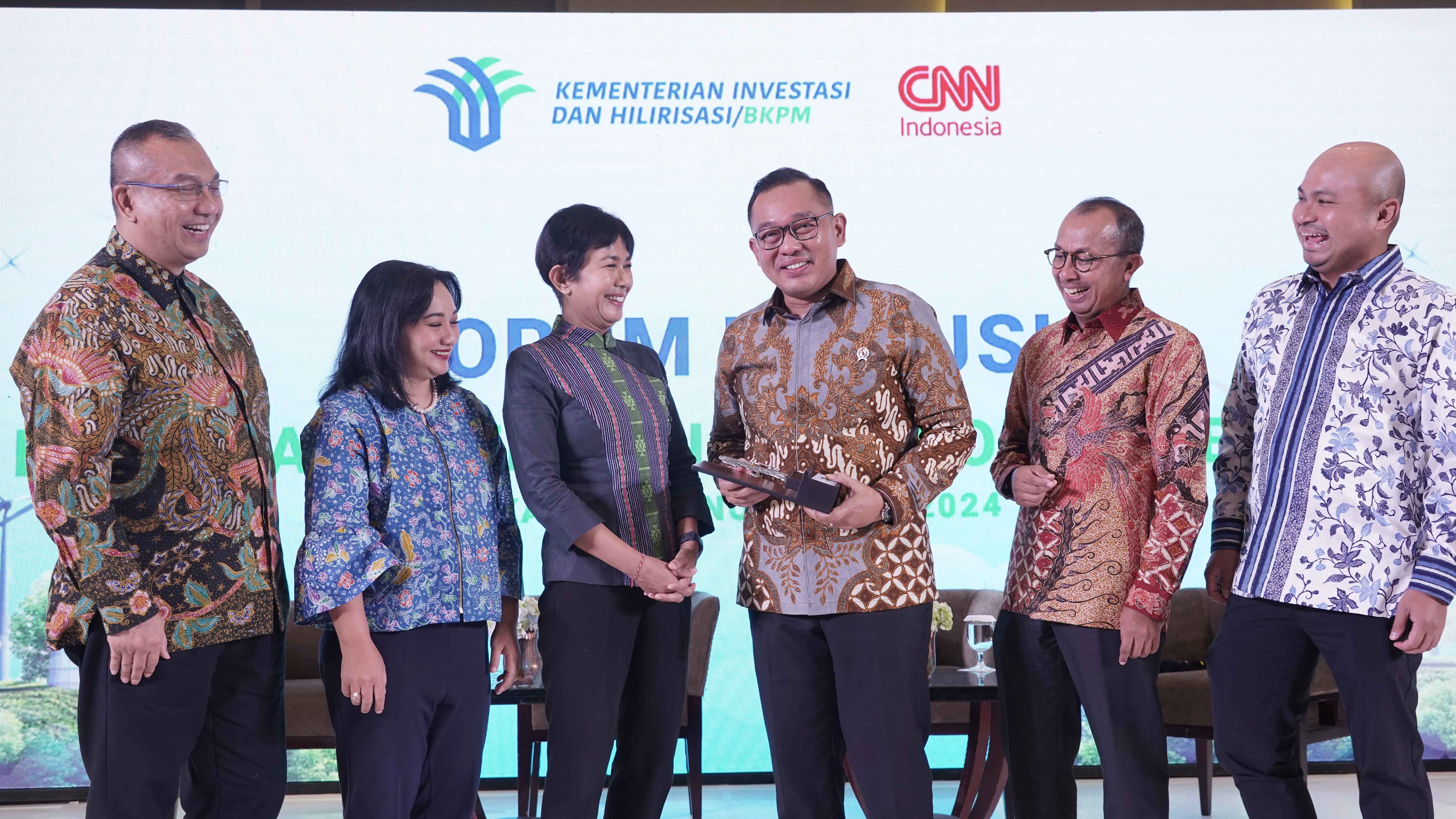
Jakarta, November 21, 2024 – Vice Minister of Investment and Downstream Industry/Deputy Head of the Indonesia Investment Coordinating Board (BKPM), Todotua Pasaribu, stated that Indonesia requires investment realization of IDR 13,528 trillion over the next five years to achieve the targeted economic growth rate of 8%. This statement was delivered during the Discussion Forum themed "Investment Strategies for Building a Sustainable Economy", in collaboration with CNN, on Tuesday (20/11). Todotua emphasized that this investment target is also expected to create 3.74 million jobs, aligning with the Ministry of Investment and Downstream Industry/BKPM's focus on supporting sustainable economic growth.
“There are three fundamental factors in achieving 8% economic growth. First, we must boost investment, particularly in the context of downstreaming. Second, we need to implement digitization to streamline the economy and investment realization. Third, equally important is addressing green economy funding,” Todotua explained.
In his presentation, Todotua elaborated that President Prabowo’s Asta Cita vision prioritizes downstreaming as a strategic initiative to drive sustainable economic growth. This initiative aims to enhance national self-reliance through food, energy, and water security, as well as green and blue economy development. Moreover, promoting the creative industry, generating quality jobs, and strengthening entrepreneurship are integral components of this strategy.
Todotua also highlighted the importance of building superior human resources in areas such as science, technology, education, healthcare, gender equality, and empowerment of women, youth, and people with disabilities.
According to Todotua, much of the Asta Cita vision aligns with the Ministry of Investment and Downstream Industry/BKPM's mandate, particularly in advancing downstreaming and industrialization to add value within the country. These efforts form the foundation for sustainable economic development that directly benefits society.
“We aim to optimize the utilization of natural resources to generate significantly greater added value, increase state revenue, and accelerate national growth,” Todotua added.
The Ministry has developed a roadmap for downstreaming 28 strategic commodities across eight key sectors. This roadmap offers investment potential of USD 618.1 billion, projected to create over 3 million jobs and contribute USD 235.9 billion to the Gross Domestic Product (GDP).
Todotua also revealed that the Ministry has identified nine quick-win programs to drive investment and support downstreaming. These include optimizing fiscal incentives such as tax holidays, integrating digital systems across ministries, and developing strategic investment zones. Additionally, the Ministry is addressing investment barriers, including resolving issues faced by five companies with a total value of IDR 556 trillion. These programs aim to provide business certainty and enhance Indonesia’s attractiveness as a global investment destination.
Echoing the Vice Minister of Investment and Downstream Industry, CNN Indonesia’s Director, Desi Anwar, stressed the role of investment and downstreaming in achieving the 8% economic growth target and eradicating poverty. She acknowledged the significant challenge for the Ministry to attract robust investment interest.
“This forum is vital to determining how we achieve development targets in a sustainable and environmentally friendly manner. The greater challenge lies in securing the necessary investments,” Desi remarked.
During the panel discussion, various stakeholders expressed support for accelerating investment through green economy-based downstreaming. The Indonesian Employers’ Association (APINDO) underscored the importance of developing the green economy sector as a backbone for national growth, leveraging potential such as critical minerals and carbon capture technology. Meanwhile, the Indonesian Young Entrepreneurs Association (HIPMI) emphasized the role of local entrepreneurs in supporting downstreaming, particularly outside Java, with a focus on minerals, oil and gas, and plantations. INDEF highlighted the need for a balanced "carrot and stick" approach to ensure sustainable investment, combining adequate incentives with stringent regulations. The forum reinforced the importance of collaboration among the government, businesses, and the public in creating an inclusive and sustainable downstreaming roadmap.
Attended by over 100 participants from the financial, investment, manufacturing, and various industrial sectors, the discussion forum provided deeper insights into investment policies and strategies, along with incentives available to investors. The forum also spotlighted attractive investment opportunities in Indonesia, supported by optimal strategies for both domestic and foreign investors. Dedi Latip, Deputy for Investment Planning at the Ministry of Investment and Downstream Industry/BKPM, was also present.
For further information, please contact:
Ahmad Faisal Suralaga
Head of Communications and Information Services Bureau
Ministry of Investment and Downstream Industry/BKPM
E-mail: humas@bkpm.go.id